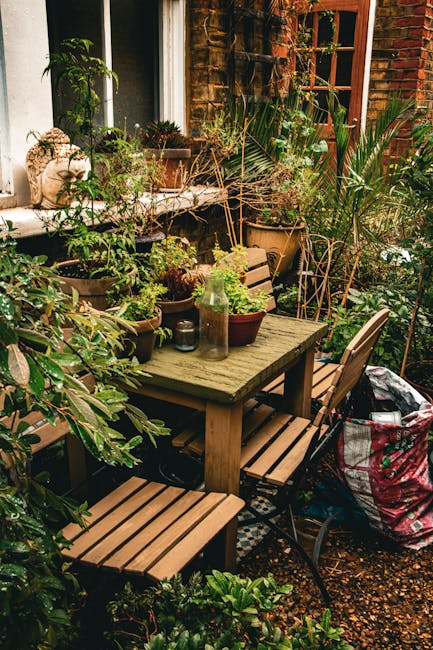
Emergency garden rescue case study Kidbrooke gardeners success
When a garden tips from "a bit overgrown" to "we need help now," it can feel oddly personal. Paths disappear, plants collapse, hedges start leaning into the light, and suddenly the outdoor space you used to enjoy becomes something you avoid. This emergency garden rescue case study Kidbrooke gardeners success looks at what effective urgent garden recovery really involves, why a fast response matters, and how a calm, methodical approach can turn a difficult situation into a usable garden again. If you are facing a similar mess after bad weather, neglect, or a sudden access issue, you will find practical steps here that make the problem feel far less overwhelming.
There is a simple truth behind most rescue jobs: speed matters, but judgment matters more. A rushed clear-up can make things worse. A thoughtful rescue restores structure first, then safety, then appearance. That order is everything. And yes, it often starts with the least glamorous jobs - cutting back, clearing debris, checking for hidden hazards, and making the space workable again before anyone worries about flowers.
Table of Contents
- Why Emergency garden rescue case study Kidbrooke gardeners success Matters
- How Emergency garden rescue case study Kidbrooke gardeners success Works
- Key Benefits and Practical Advantages
- Who This Is For and When It Makes Sense
- Step-by-Step Guidance
- Expert Tips for Better Results
- Common Mistakes to Avoid
- Tools, Resources and Recommendations
- Law, Compliance, Standards, or Best Practice
- Options, Methods, or Comparison Table
- Case Study or Real-World Example
- Practical Checklist
- Conclusion
- Frequently Asked Questions
Why Emergency garden rescue case study Kidbrooke gardeners success Matters
Emergency garden work is not just about tidying up. It is about preventing a small problem from becoming a bigger, costlier one. In Kidbrooke and the wider London context, gardens often sit close to fences, shared boundaries, compact patios, or family access routes. When a storm blows through, a hedge becomes unruly, or a lawn turns into a slippery patch of mud, the knock-on effects are immediate. Doors stop opening properly. Children stop using the space. Pets find every muddy corner. A once-pleasant garden can become a trip hazard in a day.
That is why a rescue case study matters. It shows what good garden recovery looks like under pressure: not just "make it neat," but "make it safe, manageable, and ready for normal life again." It also highlights something many people miss - the right response depends on the garden's current condition, not on a fixed checklist. A tangled border after heavy rain needs a different approach from a hedge blocking light or a lawn damaged by foot traffic.
For many homeowners, the real value is confidence. You want to know someone can walk in, assess the scene quickly, and decide what needs doing first without wasting time. That sense of control is often what people are paying for, even if they do not say it out loud. To be fair, when the garden looks like it has had a bad week, that calm, practical judgement is worth a lot.
If the rescue includes boundary work or overgrown screening, the conversation often extends into longer-term upkeep. In that case, it helps to understand options such as hedge trimming in Kidbrooke and broader garden maintenance so the same problem does not bounce back in a month.
How Emergency garden rescue case study Kidbrooke gardeners success Works
An emergency garden rescue job usually follows a clear sequence, even if the site itself is messy. The first stage is assessment. The team looks for immediate hazards, access problems, plant damage, blocked drains or gutters at ground level, unstable features, and areas where cutting or lifting must be done carefully. Then comes triage. Not everything can be tackled at once, and that is fine. Good rescue work is about priority, not panic.
The second stage is clearance. This may include removing windblown debris, cutting back fallen or broken growth, lifting lodged branches, and clearing surface waste so the ground can be seen again. When the garden has been neglected for months, the hidden issues often emerge here. Old edging. Broken canes. Low fence damage. Uneven paving. Nothing dramatic maybe, but enough to make the space awkward.
The third stage is stabilisation. This means making the space safe and functional: opening paths, reducing dense overgrowth, improving sightlines, and protecting vulnerable plants where possible. In real terms, it is the difference between a garden that merely looks tidier and one you can actually use without hesitation.
Finally, there is restoration. That can include lawn repair, soil improvement, reshaping beds, patio cleaning, re-securing borders, or replanting areas that have been lost. If the job needs a broader reset, it can overlap with landscaping, lawn care, or even fencing if the boundary structure has been affected. Not every rescue needs those services, of course. But having the option helps when the job keeps unfolding in front of you. Which, let's face it, it often does.
Key Benefits and Practical Advantages
Emergency garden rescue offers more than cosmetic improvement. The practical gains tend to show up quickly, and they are often the things people notice first in daily life.
- Safer movement: cleared routes, fewer trip points, and better visibility around steps, edging, and paths.
- Faster recovery from weather damage: broken growth and storm debris are removed before they spread or rot.
- Better use of the garden: seating areas, play areas, and access points become usable again.
- Healthier plants: overcrowded or damaged sections can be thinned so healthy growth has a chance.
- Lower long-term maintenance pressure: once structure is restored, routine upkeep becomes easier and less expensive.
There is also an emotional benefit that is easy to underestimate. A garden in distress can make the whole house feel more chaotic. After a rescue, even simple things like opening the back door, hanging washing, or sitting outside with tea feel ordinary again. Ordinary is underrated, honestly.
In many cases, a proper rescue also improves drainage and surface drying because dense overgrowth and compacted debris are removed. If a patio or seating zone is part of the issue, a deep clean can make a surprising difference, so it may be sensible to combine the visit with patio cleaning or a planned lawn mowing reset.
Who This Is For and When It Makes Sense
Emergency garden rescue is for anyone whose outdoor space has crossed from manageable to urgent. That usually means one or more of the following:
- the garden became unsafe after high winds or heavy rain
- hedges, shrubs, or climbers have swallowed access paths
- a lawn has become too rough, patchy, or muddy to use
- plants have collapsed or broken and need careful removal
- you are preparing for visitors, a tenancy inspection, a sale, or a family event
- the space has been left too long and now feels too big to tackle alone
It also makes sense for busy households that simply do not have the time, tools, or physical capacity for a heavy clear-up. Not every homeowner wants to spend a Saturday wrestling thorny growth and black bags. Fair enough. If a professional team can do in a few hours what might take you a full weekend, that is a sensible use of time.
There are times when the issue is less about urgent damage and more about design failure. Maybe the planting has outgrown the site. Maybe a shaded border has become thin and bare. Maybe the garden is trying to be too many things at once. In those cases, rescue work can be followed by a longer reset using ideas from budget-savvy low-maintenance garden planning or vertical gardening ideas if space is tight.
Step-by-Step Guidance
If you are handling a garden rescue or booking one in, this is the practical flow that usually works best.
- Walk the site slowly. Look for hazards first: broken branches, slippery surfaces, unstable structures, hidden edging, exposed roots, and anything blocking access.
- Separate urgent from non-urgent work. What must be done today? What can wait until the garden is safe and open again?
- Clear access routes. Open gates, paths, side returns, and the immediate area around doors. This makes every later task easier.
- Remove debris and damaged growth. Cut away what is clearly broken, lying across the ground, or causing obstruction. Do not overreach if you are unsure about plant structure.
- Shape the main structure. Reduce hedges, reset edges, and bring the garden back into manageable proportions.
- Deal with surface issues. Tackle weeds, moss, mud, or compacted litter around hard landscaping and lawn edges.
- Repair the most visible weak points. This might mean a fence panel, a bare patch of lawn, a damaged border, or a scraped decking area.
- Decide what needs follow-up. Some jobs end with cleanup. Others need aftercare, replanting, or a second visit for shaping and maintenance.
A useful habit is to take a few quick photos before work begins. Not for drama. Simply for reference. A picture makes it easier to compare progress and identify what still needs attention after the rush is over. Also, when a garden is a tangle of green and brown and wet soil, memory can be surprisingly unreliable.
If the rescue includes structural trees, large branches, or deadwood, a specialist conversation may be needed. That is where tree surgery becomes relevant, especially where safety and pruning judgement matter more than general tidying.
Expert Tips for Better Results
Good emergency garden work is part technique, part timing, part restraint. The best results usually come from avoiding the temptation to "fix everything at once."
- Work from the outside in. Open the perimeter and access points before tackling dense inner growth.
- Respect nesting or wildlife signs. If you spot active bird activity or visible habitat use, slow down and reassess the cut-back plan.
- Cut in stages on big hedges. A heavy one-pass reduction can leave the garden looking blunt and stressed. Gradual shaping is often better.
- Leave recovery space for plants. If plants have been damaged by wind, reduce weight carefully rather than stripping them bare.
- Use the weather window wisely. Dry or mildly dry conditions are usually safer and cleaner for rescue work than saturated ground.
- Keep waste handling organised. Separate green waste, woody waste, and recyclable hard materials where possible.
A small but important tip: do not judge the garden too early. The first hour can look a bit worse before it looks better. That is normal. Once the structure is visible again, the whole site tends to make sense.
For longer-term success, it helps to plan follow-up planting with resilience in mind. Ground cover can reduce future weed pressure, while dense hedging can restore privacy after a cut-back. The site already has useful guidance on ground cover plants for UK gardens and vigorous hedge plants for privacy.
Common Mistakes to Avoid
Emergency recovery jobs go wrong in predictable ways. The good news is that most of them are avoidable.
- Starting with the prettiest part of the garden. That feels motivating, but it wastes time if access and safety are still blocked.
- Overcutting hedges and shrubs. Too much removal at once can leave gaps, scorch-sensitive areas, or weak regrowth.
- Ignoring hidden damage. Broken edging, loose fence panels, and lifted slabs tend to surface after clearance.
- Leaving waste piles around the site. It makes the garden feel unfinished and can attract pests or block movement.
- Trying to rescue stressed plants with random feeding. If roots, drainage, or shape are the real issue, feeding alone will not solve it.
- Skipping follow-up maintenance. A one-off rescue without a light maintenance plan usually leads back to the same point.
Another common mistake is treating every rescue as a complete redesign. Sometimes the answer is a redesign, but often it is not. Sometimes the garden just needs measured recovery, a few clear decisions, and a calmer rhythm for the next few months. Simple, not easy. There is a difference.
Tools, Resources and Recommendations
For emergency garden rescue, the right tools make a large difference. Not fancy ones necessarily - just the right ones for the job.
| Tool or Resource | Best Use | Why It Helps |
|---|---|---|
| Bypass secateurs | Precision cutting on live stems and smaller shoots | Cleaner cuts, less plant damage |
| Loppers | Thicker growth and awkward stems | Good leverage without overstraining |
| Hedge trimmer | Restoring hedge shape after overgrowth | Saves time on larger boundary work |
| Rake and garden fork | Debris removal and soil surface tidying | Helps reveal hidden issues quickly |
| Heavy-duty bags or a waste system | Managing green waste efficiently | Prevents clutter and repeat handling |
| Protective gloves and sturdy footwear | General rescue work | Basic protection from thorns, slips, and debris |
If you are building a practical kit for future jobs, the article on essential garden tools is a sensible companion read. For heavy weather prevention, garden protection tactics for inclement weather can help you reduce repeat damage before it starts.
Some homeowners also benefit from low-effort design choices after the rescue. A seating area that is easy to access, or a shaded border that thrives without constant attention, can change how the garden feels day to day. If that sounds useful, see practical and pleasing seating ideas and evergreen climbers for shade.
Law, Compliance, Standards, or Best Practice
For most domestic gardens, emergency rescue is governed less by formal red tape and more by sensible best practice. That said, there are still important standards to respect. Safe tool handling, careful working at height, proper waste management, and awareness of neighbouring property boundaries all matter. If a job involves larger trees, unstable structures, electrical risks, or shared access, it becomes more important to work cautiously and document what has been done.
In a professional setting, a reputable gardening team should be able to explain how they manage risk, how they protect property, and how they handle waste responsibly. They should also be clear about service scope, payment terms, and what happens if unexpected issues are discovered halfway through. That is where trust is built. Not in shiny promises. In straightforward answers.
For readers who want to understand service standards and consumer expectations, the relevant site pages on health and safety, insurance and safety, terms and conditions, and payment and security are worth reviewing before any work begins.
Options, Methods, or Comparison Table
Not every emergency garden problem needs the same response. Here is a practical comparison of common methods.
| Method | Best For | Strengths | Limitations |
|---|---|---|---|
| One-off emergency rescue | Sudden overgrowth, storm damage, urgent access issues | Fast, focused, clears the immediate problem | Needs follow-up to prevent relapse |
| Regular maintenance | Ongoing control of lawns, hedges, and beds | Keeps the garden stable and easier to manage | May not solve severe neglect in one visit |
| Full landscape reset | Major redesign, exhausted planting, repeated drainage issues | Long-term improvement, clearer layout | More planning and usually more disruption |
| Targeted specialist work | Large trees, hedge structure, boundary damage | Better safety and better technical outcome | May need several trades or visits |
In many real cases, the best answer is a mix: rescue now, maintenance next, and a few targeted improvements after that. That sequence tends to deliver the best value without overcomplicating the job.
Case Study or Real-World Example
Here is a realistic example of how a successful rescue typically unfolds in Kidbrooke. A homeowner gets in touch after a period of bad weather and busy schedules leaves the garden difficult to use. The hedge has pushed outward, the lawn edge is ragged, fallen debris is lying under shrubs, and the patio has become grimy enough to make the whole space feel neglected. There is no dramatic disaster, just a pile-up of smaller issues. Very common, actually.
The first visit focuses on triage. Paths are cleared, dangerous debris removed, and the heaviest growth reduced so the garden can breathe again. The next pass restores shape to the hedge, tidies the lawn perimeter, and removes waste that has made the borders look slumped. After that, the surface areas are cleaned and the space is reset so it can be used straight away.
What made this kind of rescue successful was not speed alone. It was the order of operations. Safety first, structure second, finish last. That approach meant the homeowner could walk back into the garden the same day without feeling like they were stepping into a project that might never end.
In a case like this, the follow-up plan matters just as much as the rescue itself. A few weeks later, the garden might benefit from ongoing garden maintenance, a lighter round of hedge trimming, or even a small upgrade to the layout if the existing structure was working against the space. If the garden is meant for family use, it can also be worth checking the ideas in child-friendly yard design.
Practical Checklist
Use this quick checklist if you are preparing for an emergency garden rescue or reviewing one after the fact.
- Identify immediate hazards before any cutting begins
- Clear access routes to doors, gates, and paths
- Remove broken branches, storm debris, and unstable material
- Reduce overgrowth that is blocking light or movement
- Check for damaged fencing, edging, or loose hard landscaping
- Clean key surfaces so the space feels usable again
- Separate waste for easier disposal
- Decide what needs follow-up care within the next few weeks
- Keep a simple maintenance plan to stop the same issue returning
Expert summary: a good emergency rescue is not a race to finish every detail. It is a sequence that restores safety, visibility, and function first, then improves shape and presentation once the garden is stable.
Conclusion
An emergency garden rescue is at its best when it feels calm, deliberate, and genuinely useful. That is the real lesson behind Emergency garden rescue case study Kidbrooke gardeners success: fast action is only valuable when it is matched with the right priorities. Clear the risks, restore access, respect the plants, and leave the garden in a state that makes everyday life easier.
For homeowners in Kidbrooke, that can mean the difference between a space you avoid and a space you use again with confidence. And once the emergency is handled, it becomes much easier to think about the longer game - maintenance, layout, planting, privacy, or a simple low-effort refresh that fits your actual life.
Get a free quote today and see how much you can save.
If you are ready to move from damage control to proper recovery, it is worth speaking with a local team that understands both the practical and the human side of garden work. A good rescue does not just fix the garden. It gives the whole home a bit of breathing room again.
Frequently Asked Questions
What counts as an emergency garden rescue?
It usually means the garden has become unsafe, inaccessible, or severely overgrown after weather damage, neglect, or a sudden change in conditions. If you cannot use key paths, doors, or outdoor areas safely, it is probably in rescue territory.
How quickly can an emergency garden rescue be carried out?
That depends on the size of the site, the level of damage, and what needs to be cleared first. Small urgent jobs may be handled in a single visit, while larger recoveries sometimes need a second pass for shaping or follow-up work.
Is emergency garden work different from normal garden maintenance?
Yes. Maintenance is routine and preventative. Rescue work is reactive and focused on restoring safety, access, and basic order before anything else. Think of it as stabilising the garden first, then maintaining it properly after.
Can overgrown hedges be saved during a rescue?
Often, yes, if they are still healthy and have not been cut back too harshly in the past. Careful reduction and shaping can bring them back into manageable form, but the exact approach depends on the plant type and condition.
What should I do before the gardeners arrive?
Clear a basic access route if you can, keep pets safely out of the way, and mention any known hazards such as hidden drains, unstable paving, or recent storm damage. That little bit of preparation saves time and avoids surprises.
Will a rescue job include waste removal?
It often does, but the exact arrangement should be confirmed before work begins. Good practice is to be clear about what is being removed, where it will go, and whether any special disposal is needed for larger or mixed waste.
What if the garden needs more than a clean-up?
That is common. Sometimes a rescue reveals deeper issues such as poor layout, damaged fencing, weak lawn areas, or tired planting. In that case, the rescue can be followed by maintenance, landscaping, or targeted specialist work.
How do I know if I need tree surgery rather than standard garden work?
If the problem involves large branches, deadwood, unstable limbs, or a tree that is creating a safety risk, specialist input is usually the safer choice. General gardeners can handle plenty, but trees are a different level of responsibility.
Can an emergency rescue improve the garden's appearance as well as safety?
Absolutely. In fact, the best rescues do both. Once the hazards and overgrowth are addressed, the garden often looks dramatically better because the structure, light, and shape become visible again.
Is it worth booking follow-up maintenance after the rescue?
Usually, yes. A rescue solves the immediate problem, but a light maintenance plan helps stop it from happening again. That is especially useful if the garden grows quickly, gets hit by wind, or is used heavily by family and pets.
Do I need to choose landscaping straight away after a rescue?
Not necessarily. Some gardens only need a clean reset and a maintenance rhythm. Others may benefit from redesign. It is best to see the garden clearly after the rescue before deciding on bigger changes.
How do I get started if my garden feels too far gone?
Start with a simple assessment and ask for practical advice rather than trying to solve everything yourself in one weekend. If you are unsure, the safest next step is to contact the team and describe the main problems plainly. That is usually enough to get the ball rolling.