Sutcliffe Park garden maintenance tips from local gardeners
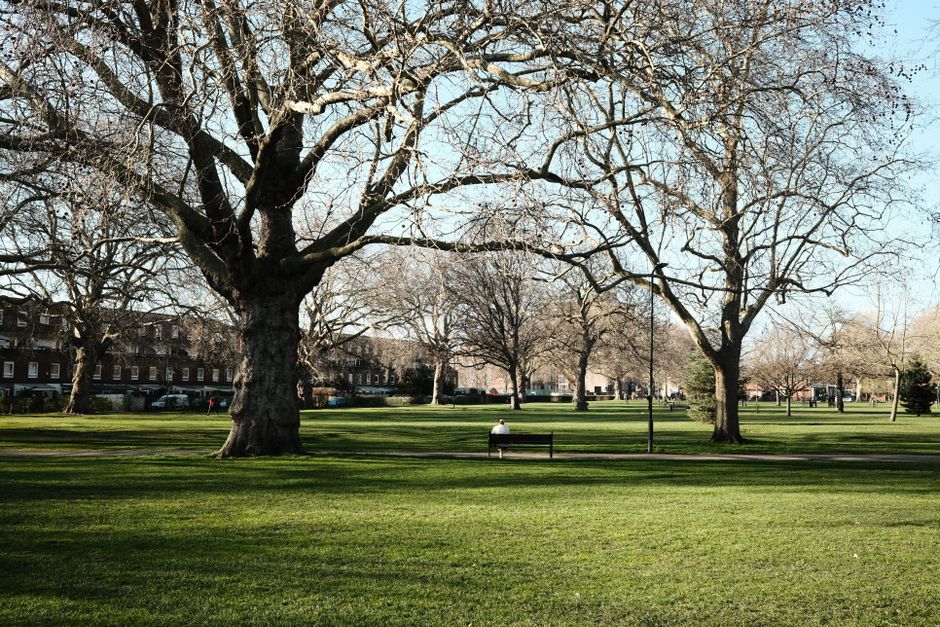
If you care for a garden near Sutcliffe Park, you already know it can be a lovely place to grow things and a bit of a test of patience too. Wind, shade, damp corners, worn paths, heavy foot traffic near shared edges, and the usual London mix of warm spells followed by sudden rain can all make maintenance feel like a moving target. That is exactly why Sutcliffe Park garden maintenance tips from local gardeners matter: they are practical, local, and grounded in what actually works on the ground, not just in a tidy magazine spread.
In this guide, you will find a clear, realistic approach to keeping your outdoor space healthy through the year. We will cover the main maintenance tasks, the tools worth having, common mistakes to avoid, and how to decide when a job is a quick weekend fix or something better handed to a professional. There is no fluff here. Just sensible advice, the kind you can use this week.
Why Sutcliffe Park garden maintenance tips from local gardeners matters
Local gardens rarely fail for one dramatic reason. More often, they slide into trouble slowly. A patch of compacted soil here, a hedge that gets trimmed too late there, and before you know it the whole space looks tired. Around Sutcliffe Park, that slow drift can happen quickly because the conditions are not always gentle. The soil can be variable, some plots get more shelter than others, and public-facing edges need to stay neat without looking overworked.
Local gardeners tend to notice the small details first. They know where moss builds up after a wet week, which corners dry out fastest in spring, and how quickly weeds move in after a missed cut. That kind of familiarity is valuable. It means the maintenance plan fits the place, rather than forcing the place to fit a generic plan.
And let's be honest, a garden near a busy area has to do more than just survive. It should look cared for even on a dull Tuesday. That is where good maintenance pays off. It improves first impressions, keeps plants healthier, reduces emergency fixes, and makes the whole space easier to enjoy. You do not need perfection. You need rhythm.
Expert takeaway: the best garden maintenance is not the most dramatic work; it is the regular, well-timed work that stops problems before they spread.
How Sutcliffe Park garden maintenance tips from local gardeners works
Think of garden maintenance as a cycle, not a one-off task. Local gardeners usually look at four things first: structure, health, cleanliness, and timing. Structure means the bones of the garden, such as hedges, borders, lawn shape, paths, fences, and any raised beds. Health means plant condition, soil quality, drainage, and signs of pests or disease. Cleanliness covers leaf litter, weeds, pruning waste, and algae on hard surfaces. Timing is simply doing the right job at the right moment. Simple, but easy to get wrong.
In practical terms, a good maintenance routine might start with a walk-through. What looks crowded? What is leaning? Which areas have gone patchy, soggy, or bare? After that comes prioritising. Not every task is urgent, and trying to do everything at once is how people burn out halfway through a Saturday. Been there, frankly.
If you want to build a broader maintenance rhythm, it helps to understand the relationship between lawn care, hedge shaping, and garden clean-up. For a deeper look at regular upkeep as a whole, the garden maintenance service overview gives a useful sense of what ongoing care can include. If your main headache is grass rather than borders, the advice in lawn care support is especially relevant. And when the garden needs a stronger reset, many homeowners also look at landscaping options to improve layout and long-term ease of care.
Maintenance also works better when the jobs are grouped by season. Spring is for recovery and shaping, summer for steady upkeep, autumn for clearing and protecting, and winter for restraint rather than overhandling. A lot of damage happens when people do too much in the wrong weather.
Key benefits and practical advantages
Good maintenance is not just about making things look tidy, although that is part of it. The real value is in reducing effort later. A well-kept garden is easier to mow, easier to weed, easier to water, and easier to enjoy without staring at a list of jobs every time you step outside.
- Healthier plants: regular deadheading, pruning, feeding, and watering support stronger growth.
- Fewer emergency fixes: small problems are easier to spot before they become expensive or awkward.
- Better use of space: trimming, shaping, and clearing open up paths, borders, and seating areas.
- Less seasonal panic: if you stay on top of the basics, autumn and winter feel far less overwhelming.
- Improved kerb appeal: this matters whether you are living there, renting, or planning future resale.
There is also a mental benefit that people often underestimate. A tidy, well-paced garden simply feels lighter. You hear birds more clearly, you notice when a rose has opened, and the whole place becomes somewhere you want to sit with a mug of tea for ten minutes. That sounds small. It is not small.
Who this is for and when it makes sense
This advice suits a fairly wide range of people. Homeowners with compact back gardens, tenants trying to keep a space manageable, landlords maintaining external presentation, and families who need a safe, usable outdoor area can all benefit. It is also useful if your garden sits close to Sutcliffe Park and gets a bit more shade, moisture, or passing debris than you would like.
It makes particular sense if you are dealing with one of these situations:
- the lawn has become thin, uneven, or mossy
- hedges are overgrown and starting to block light
- beds are full of weeds after a wet spell
- patios and paths have gone slippery or stained
- you want a lower-maintenance routine rather than constant weekend catch-up
Sometimes the question is not, "Can I maintain this myself?" It is, "Can I maintain this without losing every Saturday?" That is a fair question. If the answer is no, bringing in help may be the smarter choice. A local team can often restore order faster, especially if the garden has been neglected for a while or needs specialist pruning. If you are weighing that up, it is worth seeing how the wider gardening services fit different levels of need, and whether a specific task like lawn mowing or hedge trimming in Kidbrooke would solve most of the issue more cleanly.
Step-by-step guidance
Here is the practical version local gardeners tend to follow. Not fancy. Just effective.
-
Start with a full walk-through.
Look at the whole garden before touching anything. Check lawn edges, hedge lines, plant health, drainage spots, hard surfaces, and any areas where weeds are creeping in. Take note of what looks urgent and what can wait.
-
Clear the obvious clutter first.
Pick up broken stems, fallen branches, pots, dead leaves, and anything that is blocking access. Clearing the stage makes every later task easier. It also shows what the garden is really doing underneath the mess.
-
Deal with weeds before they seed.
Weeds are far easier to manage when they are small. Pull them after rain, when the soil is softer, and remove as much root as possible. In long borders, a mulch layer can reduce fresh growth and help moisture stay where plants can use it.
-
Cut back growth in a sensible order.
Trim hedges, shape shrubs, and cut back anything crossing paths or smothering other plants. Keep an eye on nesting birds and avoid heavy disturbance where wildlife might be active. A light, steady cut is usually safer than one brutal swoop. Gardens remember those, sadly.
-
Refresh the lawn.
Mow to the right height for the season, not too short, and not so infrequently that the grass gets stressed. If the lawn looks tired, aeration, scarifying, overseeding, or simple feeding may be more helpful than more mowing. The right fix depends on what the turf is telling you.
-
Check drainage and watering habits.
Shady or compacted areas can hold water for too long, while sunny pockets may dry out fast. Adjust watering to suit the weather rather than following a fixed routine. A soaked garden can suffer just as much as a dry one.
-
Finish with surfaces and edges.
Patios, paths, and decking can quickly make a tidy garden look neglected if they are slippery or stained. Regular sweeping and cleaning keep them safer and more inviting. For tougher surface work, patio cleaning and decking services are worth considering.
Once this rhythm is in place, the garden becomes much easier to maintain. You are no longer reacting all the time. You are steering.
Expert tips for better results
Local gardeners often rely on small, repeatable habits rather than dramatic interventions. That is the real secret. The garden usually rewards consistency more than intensity.
- Trim hedges before they get woody. Light, regular shaping is easier than reclaiming an overgrown hedge. If you wait too long, the job gets slower and the result is never quite as clean.
- Mulch bare soil after weeding. It helps suppress new growth and keeps the bed looking finished.
- Use plants that fit the light you actually have. Shade-loving plants in a shady corner will usually outlast optimistic but unsuitable choices.
- Keep a small tool kit ready. If the tools live at the back of a shed under half a bag of compost, you will avoid the job. Human nature, eh.
- Inspect fences and supports after strong winds. A loose panel or leaning trellis can pull on plants and create a chain of damage.
- Leave a little room between plants. Crowding looks full at first, then becomes an airflow and maintenance headache.
If your garden has a lot of shade, you may get better results from choosing the right planting style than from pushing harder with maintenance. For example, a few well-placed climbers can soften boundaries without taking much ground space. The same goes for layered planting: the garden is calmer when each plant has a clear role. For ideas that suit tighter or darker spaces, a look at evergreen climbers for shady gardens can be surprisingly useful. If you want structure at the edges, privacy hedge planting ideas also help with longer-term planning.
Common mistakes to avoid
Most garden maintenance mistakes are ordinary, not dramatic. That is the annoying part. They happen because people are busy, or because the weather changes, or because a task looked easier than it was. Still, a few errors show up again and again.
- Cutting too much at once: aggressive pruning can stress plants and leave bare patches that take ages to recover.
- Ignoring soil condition: if the soil is tired or compacted, plants will struggle no matter how neat the borders look.
- Leaving weeds for "next week": next week tends to become next month.
- Using the wrong mower height: scalping grass in a hot or dry spell can make a lawn look thin fast.
- Forgetting hard surfaces: a clean bed next to a dirty patio still reads as messy.
- Overwatering in shaded spaces: damp shade can encourage moss, fungal issues, and a generally soggy feel.
A lot of people also try to force a formal look into a garden that really wants a softer, more relaxed style. Truth be told, that rarely ends well unless you have the time to maintain it properly. If you prefer a calmer, easier layout, the ideas in budget-friendly low-maintenance garden ideas may be a better fit.
Tools, resources and recommendations
You do not need an enormous toolkit, but the right basics make maintenance less of a slog. A good set of tools saves time, reduces strain, and usually gives a cleaner result. The most useful items are the ones that do two jobs well rather than ten jobs badly.
- Secateurs: for light pruning, deadheading, and tidying stems.
- Bypass loppers: for thicker branches and woody stems that secateurs cannot handle.
- Pruning saw: for larger cuts where a clean finish matters.
- Rake and leaf grabber: useful in autumn and after windy weather.
- Garden fork or aerator: helpful for compacted soil and lawn work.
- Stiff broom and hose: for patios, paths, and general clean-up.
- Gloves and eye protection: basic, but worth having every single time.
For people who are getting started, a few good habits matter more than the brand name on the handle. Keep blades clean. Dry metal tools before storage. Sharpen when they start tearing instead of cutting. That alone changes the quality of your pruning and makes the work feel much less messy.
If you are still learning what to prioritise, the advice in essential garden tools and simplifying the gardening learning curve is a solid pairing. For people who want cleaner boundaries or more layered structure, advanced hedge trimming shapes and techniques is a useful companion read. And if you are weighing protective measures before stormy weather, garden protection tactics for bad weather can help you plan ahead rather than scramble later.
Law, compliance, standards, or best practice
Garden maintenance is not usually a highly regulated activity in the way some trades are, but there are still sensible standards to follow. In the UK, best practice usually means working safely, respecting neighbouring properties, and being careful around wildlife, waste, and access routes. If you hire help, you should expect clear communication about the work, the timing, and any risks that may affect the site.
For example, hedge cutting and pruning should be done with care around nesting birds and active habitats. Waste should be handled responsibly. Sharp tools, ladders, and power equipment should be used with proper caution. If a job involves height, heavy branches, or unstable structures, that is where professional judgement matters more than enthusiasm.
Health and safety should never feel like a box-ticking exercise. If you are paying for help, you are entitled to expect a sensible approach to risk, tidy work practices, and clear boundaries around what is and is not included. You can read more about the company's approach to this kind of work through the health and safety policy and insurance and safety information. If anything needs to be clarified before a job begins, the terms and conditions and payment and security pages are sensible places to check. For cost planning, a look at pricing and quotes can help you compare options without guesswork.
Options, methods, or comparison table
Not every garden needs the same level of maintenance. The right method depends on size, growth rate, use, and how much time you realistically have. Sometimes that answer is a simple weekly routine. Sometimes it is a seasonal professional visit and a few small jobs in between.
| Method | Best for | Pros | Limits |
|---|---|---|---|
| DIY weekly upkeep | Small to medium gardens with manageable growth | Low cost, flexible, helps you stay connected to the space | Time-consuming, easy to let slip during busy periods |
| Seasonal tidy-up | Gardens that mostly behave but need periodic resets | Good balance of effort and result | Problems can return between visits if the garden grows quickly |
| Scheduled professional maintenance | Busy households, rental properties, or larger plots | Consistent finish, less personal workload, reliable timing | Higher ongoing cost than doing everything yourself |
| Full garden redesign plus upkeep | Overgrown, awkward, or hard-to-maintain gardens | Can solve layout problems and reduce future work | More upfront decision-making and usually more disruption at the start |
If your space is already structurally awkward, maintenance alone may not be enough. That is where small design changes can make a huge difference. A practical example: moving a seating area closer to a flat, visible zone often makes the whole garden easier to monitor and enjoy. For inspiration, the piece on practical and pleasing garden seating is worth a look.
Case study or real-world example
A typical local scenario goes something like this. A modest rear garden near Sutcliffe Park had a decent layout but had slowly become difficult to manage. The lawn was patchy in places, a hedge was leaning into the path, and the borders had gone dense enough to hide the edges of the planting scheme. Nothing was disastrous. It just felt tired. The kind of tired that makes you close the door and say, "I'll deal with it next weekend."
The recovery started with clearing debris and removing weeds from the borders. Then came hedge reduction, careful lawn mowing, and a soil refresh in the beds. A few plants were moved so they had more room and better light. The patio was cleaned last, which made the whole space suddenly feel larger. Not magical. Just tidy, balanced, and easier to live with. That is often what local gardeners aim for: not a show garden, but a garden that works in real life.
One useful detail was timing. The work was split across a couple of visits rather than squeezed into one exhausting session. That kept the finish neater and avoided the usual end-of-day rush where people start cutting corners. The owner later found the garden much easier to maintain because the structure had been reset properly. That is the real win.
Practical checklist
Use this quick checklist before and after your next garden tidy-up. It is simple, but it catches most of the basics.
- Check for weeds in borders, paving cracks, and fence lines
- Inspect lawns for patchy areas, moss, or bare spots
- Trim hedges and shrubs before they block paths or light
- Remove dead leaves, broken stems, and windblown debris
- Look for drainage issues after heavy rain
- Clean patios, decking, and paths so they stay safe underfoot
- Mulch exposed soil where practical
- Water according to weather, not habit
- Sharpen and clean your tools after use
- Review what felt too big to manage alone
Quick summary: if you can keep on top of growth, weeds, and surface cleanliness, most gardens become dramatically easier to live with. The rest is timing and consistency.
For readers who want to move from occasional tidying to a more structured routine, it is worth exploring about the team behind the service and how ongoing support is handled. If you prefer to speak to someone directly about your own garden, you can always start with getting in touch for practical advice.
Conclusion
Sutcliffe Park garden maintenance tips from local gardeners work because they are rooted in real conditions: local weather, local soil, local routines, and local expectations. That makes them more useful than generic advice that sounds good but falls apart after the first wet week. The goal is not to create a perfect garden overnight. It is to create a garden that stays manageable, healthy, and pleasant to use.
Keep the cycle simple. Clear, cut, check, tidy, repeat. Use the right tools, notice what your garden is telling you, and do not wait for small issues to become weekend-consuming headaches. If the job feels bigger than the time you have, that is not failure. It is just a sign that the garden needs a better plan.
Get a free quote today and see how much you can save.
And if you are standing outside with muddy boots, looking at a hedge that has absolutely had a cheeky growth spurt, take a breath. It is fixable. Most gardens are. One sensible step at a time.
Frequently Asked Questions
What are the best Sutcliffe Park garden maintenance tips from local gardeners for beginners?
Start with the basics: weed regularly, mow at the right height, trim overgrowth before it gets woody, and keep paths and patios clear. Beginners usually do better with small, repeated tasks than with a huge monthly overhaul.
How often should I maintain a garden near Sutcliffe Park?
That depends on the size of the garden and how fast things grow, but weekly checks are usually enough to stop most problems from building up. In spring and early summer, you may need a little more attention because growth can really take off.
Is it worth hiring local gardeners for regular upkeep?
If the garden is regularly getting away from you, yes. A local gardener can often spot issues earlier, work faster, and keep the space looking consistent. It is especially helpful if you have hedges, larger lawns, or a garden that needs seasonal resets.
What maintenance tasks matter most in spring?
Spring is a good time for clearing winter debris, feeding lawns, pruning lightly, checking drainage, and refreshing borders. It is also a sensible time to deal with weeds before they become more established.
What should I do after heavy rain or wind?
Check for fallen branches, leaning plants, blocked drains, and slippery surfaces. Wind and rain often expose weak points, so a quick inspection can save you a larger repair later.
How do I keep a garden low maintenance without making it boring?
Choose plants that suit the site, group similar plants together, mulch borders, and avoid complicated layouts that are hard to access. A low-maintenance garden can still look elegant. It just needs a bit of restraint.
Can lawn care be part of a wider maintenance plan?
Absolutely. Lawn care, hedge trimming, weeding, and patio cleaning all support each other. If the grass is tidy but the borders are overgrown, the whole space still feels unfinished.
What tools do I really need for routine garden upkeep?
A reliable pair of secateurs, loppers, gloves, a rake, and a broom will cover most everyday jobs. You do not need a shed full of gadgets to keep a garden in good shape.
Are there safety issues I should think about with garden maintenance?
Yes. Use proper protective gear, take care with ladders and sharp tools, and be cautious around unstable branches or slippery surfaces. If a job feels risky, it is usually best not to push it.
How do I know when a job is too big for DIY?
If the work involves height, heavy cutting, overgrown hedges, damaged fencing, or several tasks that need doing all at once, it may be better to bring in help. Sometimes the time saved is worth more than the effort of trying to do it all yourself.
What is the best way to prepare for a garden service visit?
Walk the garden first, note the areas that worry you most, clear away movable items, and be clear about priorities. A quick conversation at the start usually leads to a better result and fewer misunderstandings.
Where can I read more about related garden care topics?
Useful next steps include reading about weed control tips, cold weather plant protection, and dealing with severe garden winds. Each one helps with a different part of the year, and together they make maintenance much easier to manage.